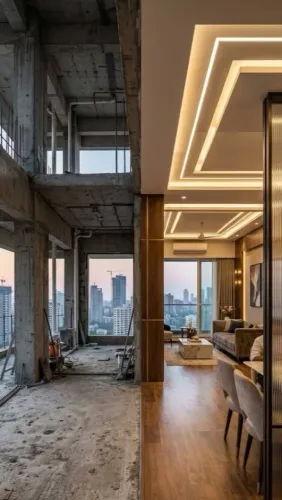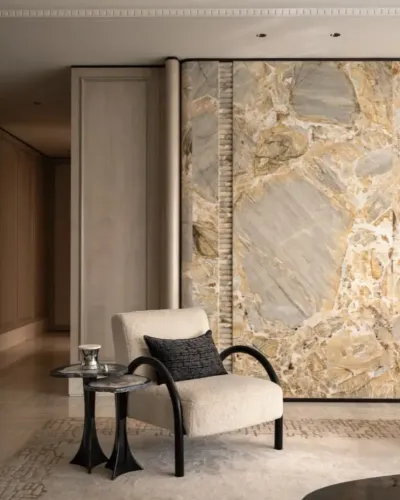
Interior projects involve much more than selecting colours and furniture. Depending on the property, execution may involve layout planning, electrical changes, ceilings, lighting, carpentry, painting, furniture manufacturing, hardware installation, surface finishing, and final detailing.
Managing these activities independently can become demanding, particularly for homeowners or businesses with limited time. A Turnkey Interior Designer in Gurugram provides a more coordinated approach by bringing multiple stages of an interior project under structured management.
What Does Turnkey Interior Work Include?
The exact scope varies between projects, so clients should always review what is included before work begins.
A typical turnkey process may cover:
- Initial requirement discussions
- Site measurements
- Space planning
- Design development
- Material selection
- Working drawings
- Electrical planning
- Ceiling requirements
- Carpentry
- Furniture production
- Painting
- Lighting installation
- Hardware fitting
- Site coordination
- Final finishing
Some specialist activities may still require external contractors, depending on the project.
Why Coordination Becomes Important
Interior activities usually depend on one another.
Electrical points may need to be finalized before certain wall finishes are completed. Furniture dimensions may depend on finished floor levels. Lighting placement can be affected by ceiling layouts. Incorrect sequencing can therefore lead to unnecessary rework.
A coordinated project plan helps different activities happen in a logical order.
For clients in Gurugram, Haryana, this can be particularly valuable when renovating occupied homes, preparing a new apartment before moving in, or completing a commercial property before operations begin.
Clear Scope Helps Prevent Confusion
Before approving a turnkey project, property owners should request a detailed scope.
Instead of relying only on broad categories such as carpentry or electrical, clarify what each category contains.
For example, furniture specifications should identify relevant materials, finishes, hardware, dimensions, and internal configurations where appropriate.
A clear scope makes it easier to understand what is being delivered and identify changes that fall outside the original agreement.
Material Approval Should Happen Before Execution
Material substitutions can significantly change the appearance, performance, or cost of a project.
Clients should therefore review important finishes before installation or manufacturing begins.
Depending on the project, approvals may include:
- Laminates
- Veneers
- Upholstery
- Countertop surfaces
- Paint shades
- Hardware
- Handles
- Flooring
- Decorative finishes
- Lighting fixtures
Maintaining a record of approved selections can also reduce misunderstandings during execution.
Ask How Changes Will Be Managed
Interior projects sometimes evolve after work begins.
A client may request additional storage, change a finish, alter a furniture dimension, or introduce another feature. Even relatively small changes can affect cost and scheduling.
A useful turnkey process should therefore establish how revisions are documented, approved, and incorporated into the project.
This protects both the client and the execution team from unclear expectations.
Manufacturing Capability Can Improve Customization
Some projects need furniture made specifically for available dimensions.
Drisya Interiors and Arts - By Rashmi Khurana offers interior design alongside customized furniture solutions. An integrated approach can help when the project requires furniture to coordinate closely with the chosen layout, dimensions, or design language.
It also allows property owners to discuss functional details rather than selecting solely from standard sizes.
Review the Property Before Handover
Final inspection is an important stage of any turnkey project.
Clients should walk through the property systematically and check furniture operation, hardware, electrical fittings, visible finishes, alignment, surface condition, lighting, and remaining corrections.
Creating a written snag list can make this process more organized.
A Turnkey Interior Designer in Gurugram can simplify a complex interior project by providing a clearer path between design and completion. The greatest advantage is not simply convenience; it is the ability to coordinate decisions, materials, workmanship, and execution so that the completed space reflects the original plan more consistently.
Keywords