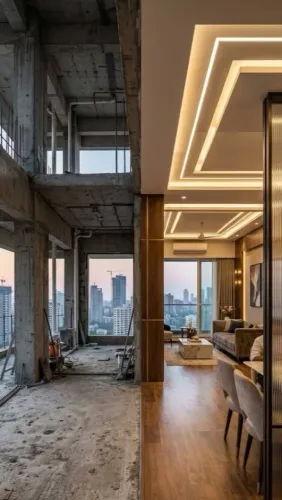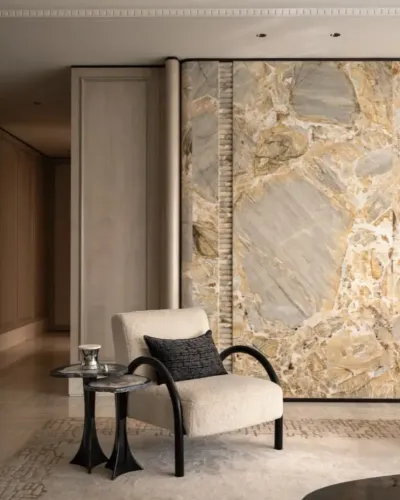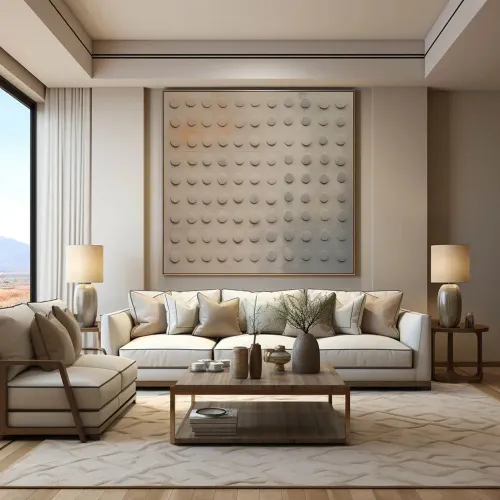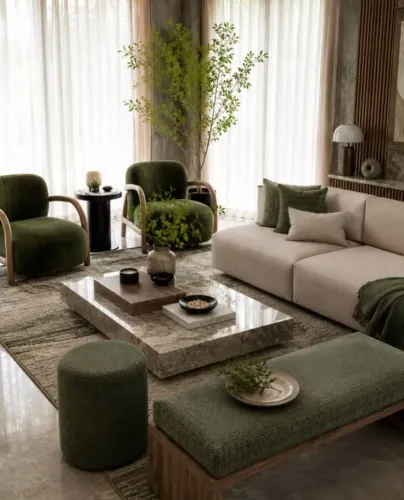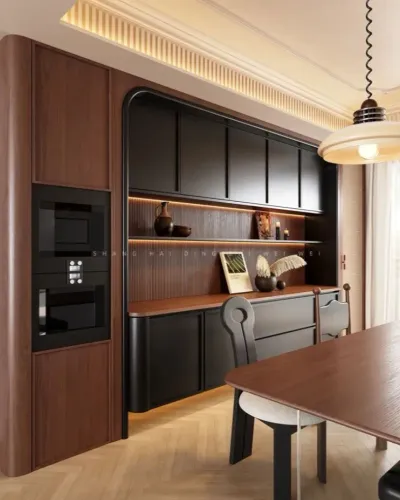
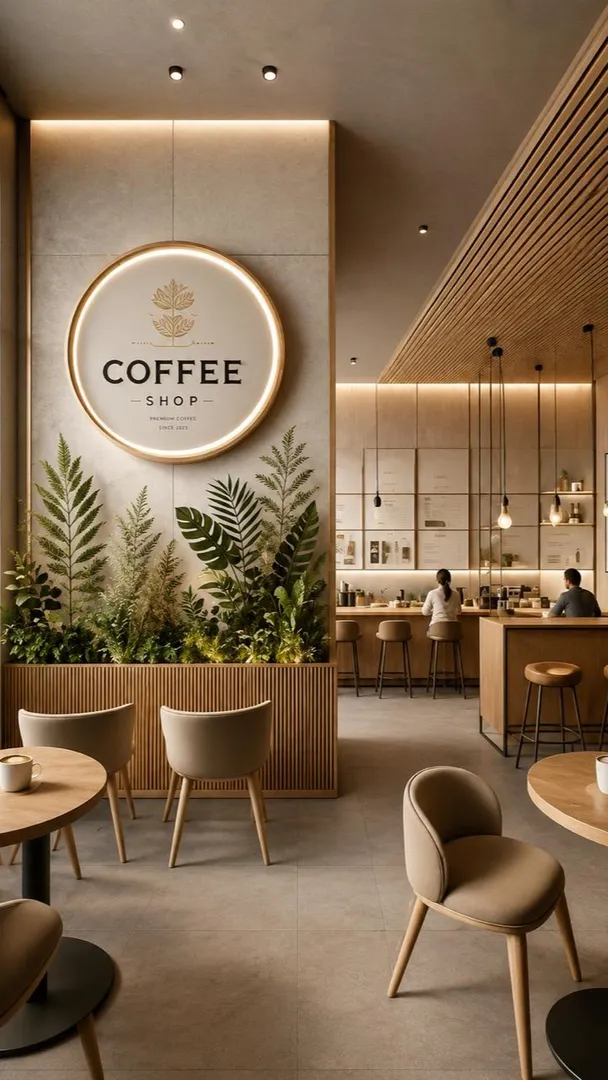
Commercial interiors have to work harder than most residential spaces. They may need to accommodate employees, customers, visitors, equipment, storage, meetings, circulation, branding, and daily operational demands within the same property.
Selecting a Commercial Interior Designer in Gurugram therefore involves evaluating more than visual style. Business owners should consider whether the proposed design genuinely supports how the organization operates.
Start With Operational Requirements
Before discussing colours or finishes, map the activities that happen within the property.
An office may need workstations, meeting rooms, private cabins, collaborative areas, storage, reception, and break spaces. A retail property may prioritize customer movement, displays, billing areas, product storage, and visibility.
The design should follow these operational needs rather than forcing operations into a predetermined visual concept.
Evaluate Movement Through the Space
Circulation influences both efficiency and customer experience.
Employees should be able to reach frequently used areas without unnecessary obstruction. Visitors should understand where to go after entering the premises. Busy zones should have sufficient clearance.
For customer-facing businesses, layout can influence how naturally visitors interact with the space.
Poor circulation often becomes more noticeable after occupancy, when furniture, people, and equipment are all present.
Select Materials According to Usage
Commercial properties frequently experience greater wear than homes.
Flooring, work surfaces, furniture, upholstery, hardware, and wall finishes should be evaluated according to traffic and maintenance requirements.
Consider:
- Frequency of daily use
- Cleaning routines
- Resistance to scratches
- Moisture exposure
- Ease of repair
- Expected replacement cycle
- Appearance under continuous use
A premium-looking material that deteriorates quickly may provide less value than a durable alternative suited to the environment.
Use Branding With Restraint
A business interior should communicate identity without turning every wall into an advertisement.
Brand colours, materials, artwork, signage, forms, and selected details can create recognition more subtly.
The goal is to build a consistent environment that feels appropriate to the organization and comfortable for the people using it.
Furniture Should Support the Activity
Commercial furniture needs to match the way people work or interact.
A meeting table should suit expected group sizes. Reception furniture needs to support visitor flow. Storage should be located where employees actually need it.
Custom furniture can be particularly useful when standard products do not suit available dimensions or operational requirements.
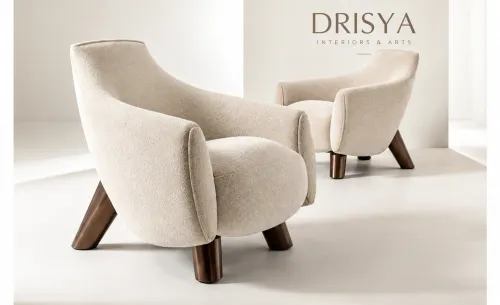
Drisya Interiors and Arts - By Rashmi Khurana provides customized interior and furniture solutions that can be adapted around project-specific needs.
Consider Future Business Changes
Businesses rarely remain static.
Teams expand, departments move, equipment changes, and customer requirements evolve. Wherever possible, commercial layouts should allow reasonable flexibility.
Modular furniture, adaptable meeting areas, flexible storage, and carefully planned electrical infrastructure can make future modifications easier.
This is particularly relevant in Gurugram, Haryana, where businesses frequently occupy commercial properties that may need to accommodate organizational growth.
Review Execution Capabilities
Before selecting a service provider, ask how the proposed design will move into execution.
Useful areas to discuss include drawings, material specifications, site supervision, furniture production, vendor coordination, installation, quality checks, and handover.
A strong presentation alone does not guarantee a successful commercial project. The execution process matters equally.
Choosing a Commercial Interior Designer in Gurugram should ultimately be based on the designer's ability to understand business operations and translate them into a practical environment. When layout, materials, furniture, branding, and future flexibility are considered together, the finished property can support productivity while creating a professional experience for employees and visitors.
Keywords