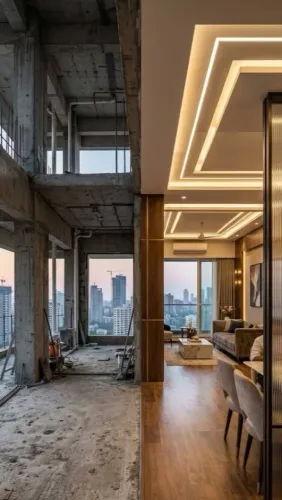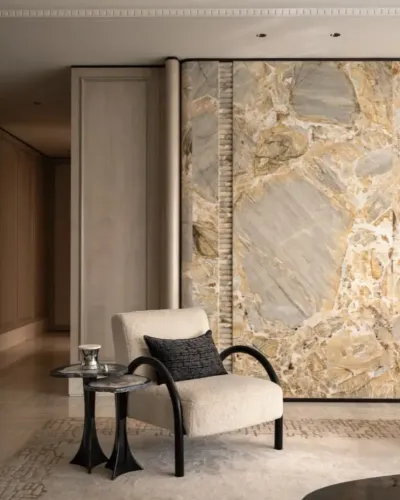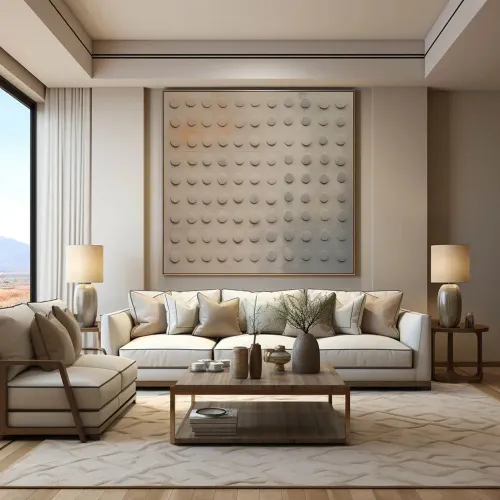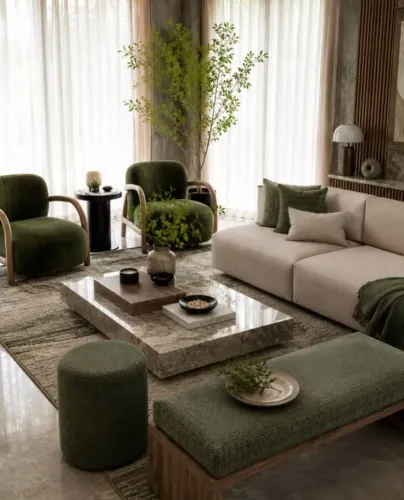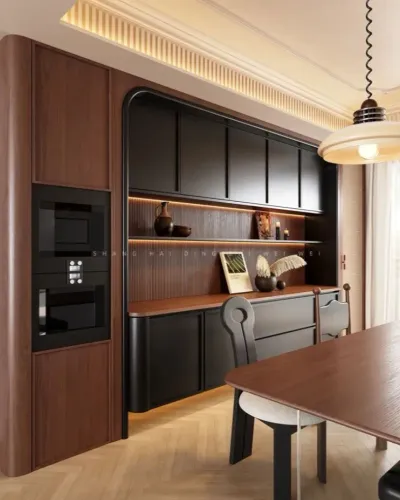
A well-designed home should make daily life easier. Attractive colours and stylish furniture certainly contribute to the atmosphere, but successful residential interiors go further by considering movement, storage, privacy, lighting, maintenance, and the routines of the people living there.
Working with a Home Interior Designer in Gurugram can help homeowners translate these practical needs into a cohesive interior plan.
Across Gurugram, Haryana, apartments, builder floors, penthouses, and villas vary significantly in size and layout. Interior decisions therefore need to respond to the individual property rather than follow a standard formula.
Begin With How Your Family Uses the Home
Before choosing finishes or furniture, consider how each room is actually used.
A family that frequently entertains guests may need a different living and dining arrangement from a household that prioritizes quiet family time. Someone working remotely may require a dedicated workstation, while families with children may need additional storage and flexible activity areas.
Useful questions include:
- Which rooms are used most frequently?
- Where does clutter usually accumulate?
- Is additional storage required?
- Does anyone regularly work from home?
- How often do guests stay overnight?
- Which areas receive good natural light?
- Are there elderly family members who need easier movement?
Answers to these questions provide a practical foundation for design decisions.
Give Every Room a Clear Function
A common interior planning mistake is trying to fit too many unrelated functions into one room.
While multifunctional spaces can be valuable, they need clear zoning. A living room might include a television area, conversation seating, and a reading corner, but each zone should feel intentional rather than crowded.
Furniture dimensions matter as much as furniture style. Oversized pieces can make circulation difficult, while furniture that is too small may leave a large room feeling disconnected.
Plan Storage Around Real Belongings
Storage requirements differ dramatically between households.
Instead of simply adding more cabinets, homeowners can categorize what needs to be stored. Everyday clothing, luggage, documents, children's belongings, books, appliances, footwear, seasonal items, and household supplies may each require different solutions.
Vertical space is often underused. Full-height cabinetry can provide substantial capacity without consuming additional floor area.
Custom-built solutions may also help make use of awkward corners or structural recesses.
Choose Materials With Maintenance in Mind
A material may look impressive in a showroom but still be unsuitable for a particular household.
Homes with children, pets, frequent visitors, or intensive kitchen use generally benefit from surfaces that are easier to clean and maintain. Bedrooms and formal areas can often accommodate more delicate finishes.
Homeowners should evaluate materials according to:
- Expected usage
- Cleaning requirements
- Moisture exposure
- Scratch resistance
- Long-term maintenance
- Visual consistency
- Available budget
This practical evaluation can prevent expensive replacement decisions later.
Use Lighting to Support Different Activities
Every room benefits from lighting designed around its purpose.
Living spaces often need a combination of ambient and decorative lighting. Kitchens require brighter task illumination. Bedrooms benefit from comfortable, softer lighting, while study areas need focused light.
Natural daylight should also influence furniture placement, colours, curtains, and artificial lighting requirements.
Avoid Designing Only Around Current Trends
Interior trends can provide useful inspiration, but a home should not become dependent on a temporary style.
Permanent elements such as flooring, fixed cabinetry, major furniture pieces, and wall treatments are generally more successful when they have lasting visual appeal. Trend-driven colours and textures can be introduced through accessories that are easier to update.
Drisya Interiors and Arts - By Rashmi Khurana works with homeowners seeking spaces shaped around their individual requirements rather than generic layouts.
The role of a Home Interior Designer in Gurugram is ultimately to connect aesthetics with real household needs. When circulation, storage, materials, lighting, and lifestyle are considered together, a home becomes easier to maintain, more comfortable to use, and more personal to the people living there.
Keywords