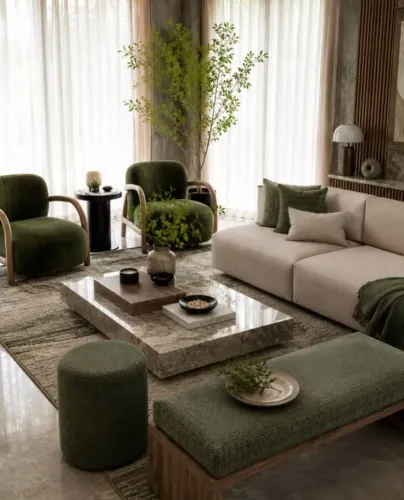
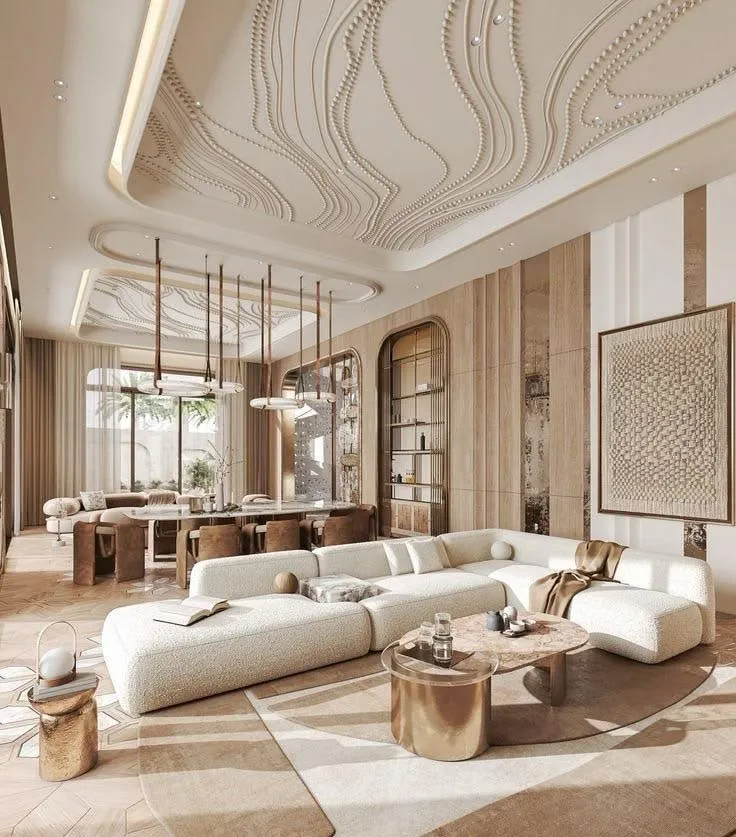
Homes can look spacious on a floor plan yet feel surprisingly constrained once furniture, storage, and everyday belongings are introduced. This is why effective residential design is less about filling rooms and more about deciding what each area genuinely needs.
Choosing a Residential Interior Designer in Gurugram can be particularly useful when homeowners want to improve functionality without making rooms feel crowded.
Identify the Space Problem Before Choosing the Solution
When a room feels uncomfortable, adding furniture is not always the answer.
First determine what is creating the problem. Common causes include:
- Oversized furniture
- Poor circulation
- Insufficient storage
- Unused corners
- Inappropriate furniture placement
- Too many decorative pieces
- Lack of defined activity zones
Once the underlying issue is identified, the design response becomes much clearer.
Protect Important Movement Paths
People should be able to move naturally between doors, seating areas, wardrobes, kitchens, bathrooms, and balconies.
Blocking these routes with furniture can make a room feel smaller than it actually is.
Before purchasing major pieces, mark their dimensions on the floor. This simple exercise can reveal whether there will be enough clearance around beds, dining tables, sofas, or storage units.
Use Vertical Areas More Effectively
Floor area is limited, but wall height often provides additional opportunities.
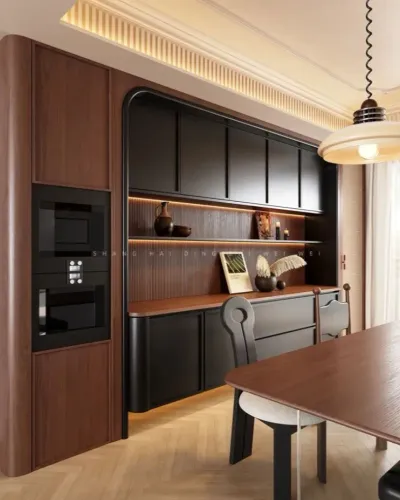
Full-height cabinets can increase storage without taking up more floor space. Wall-mounted units can keep certain areas visually lighter. Tall display systems may also draw the eye upward and make a room feel more proportionate.
However, vertical storage should be planned carefully. Too many heavy units can make smaller rooms feel enclosed.
Consider Multifunctional Furniture
Furniture that performs more than one function can be helpful where space is limited.
Examples include beds with integrated storage, window seating with drawers, study units incorporated into cabinetry, or occasional tables that provide additional storage.
The key is to avoid unnecessary complexity. Multifunctional furniture should remain convenient to use every day.
Create Visual Continuity
Too many contrasting colours and finishes can visually divide a compact residence.
A more controlled palette can help rooms feel connected. Repeating selected materials or colours across adjacent spaces can also create a stronger sense of continuity.
Mirrors, appropriate lighting, and lighter finishes can influence perceived spaciousness, although they should support the overall design rather than be used as automatic solutions.
Customize Around Architectural Limitations
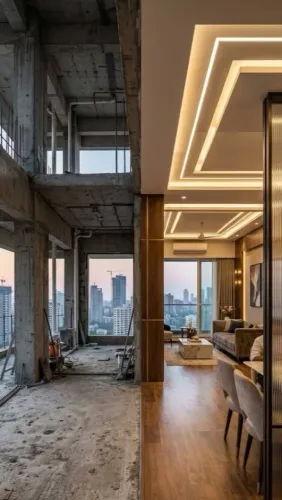
Columns, beams, recesses, uneven walls, and unusual corners can complicate furniture placement.
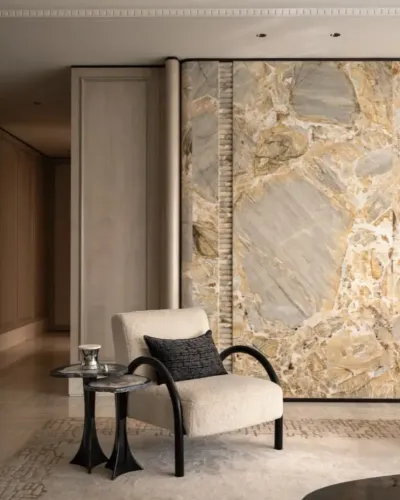
Custom-designed elements can sometimes turn these limitations into useful features. A recess may become storage, a column can be integrated into a display wall, or an awkward corner might accommodate a purpose-built unit.
Drisya Interiors and Arts - By Rashmi Khurana can incorporate furniture requirements into broader residential planning, helping homeowners consider how fixed elements relate to everyday usability.
Keep Future Requirements in Mind
Homes change as families change.
A spare room may later become a children's room, study, guest room, or workspace. Storage requirements can increase over time. Furniture that is excessively specific to one short-term need may eventually become inconvenient.
Flexible planning can therefore extend the useful life of an interior.
Space Efficiency Is About Comfort
A well-planned residence should not feel like every square foot has been forced into use.
Sometimes leaving an area open is the better decision. Negative space improves movement, gives furniture visual breathing room, and can make the home easier to maintain.
For homeowners across Gurugram, Haryana, a Residential Interior Designer in Gurugram can help identify where customization adds value and where simplicity works better. Smart residential planning ultimately means creating a home where storage, furniture, movement, and aesthetics support daily routines without making the space feel overloaded.
Keywords